Our treatments

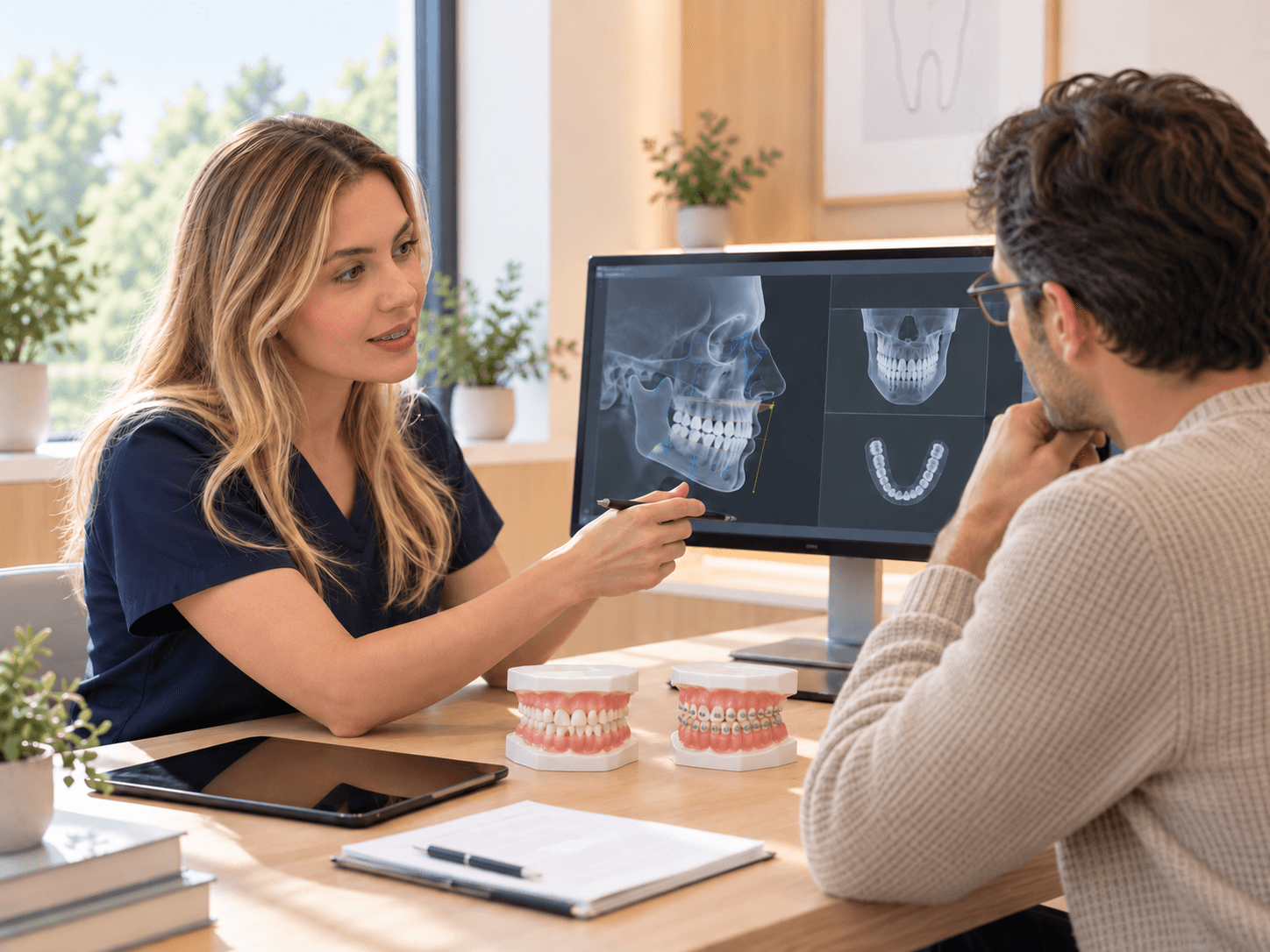
The right solution always begins with the right diagnosis.

Age, growth, the bite, personal goals and everyday life all influence treatment choice. The consultation allows us to identify suitable options and clearly explain their benefits, practical requirements and limitations.

Children's orthodontics

Observing growth at the right time

An orthodontic consultation for a child allows us to assess jaw growth, dental development, available space and relevant functions. It does not mean that treatment must begin immediately.

In many situations, regular monitoring is sufficient. When early treatment is indicated, it should have a clear purpose and form part of a longer-term view.

Care may address:

  • growth and dental development
  • certain discrepancies between the jaws
  • insufficient space
  • maxillary expansion when indicated
  • selected interceptive treatments

The need and timing of treatment are determined individually after examination.


Teen orthodontics

Treatment designed around everyday life

During the teenage years, many orthodontic movements can be carried out while growth continues. Fixed braces and clear aligners may both be considered depending on the situation.

The decision takes account of:

  • the complexity of the required movements
  • aesthetic preferences
  • daily habits
  • appliance care
  • cooperation and wear time when a removable appliance is proposed

We clearly explain how treatment may affect eating, oral hygiene, speech, sport and follow-up appointments.


Adult orthodontics

It is not too late to seek advice

Orthodontic treatment can be considered in adulthood to improve dental alignment or the bite, or to prepare for restorative, periodontal or surgical care.

The assessment considers dental and gum health, previous treatment and the patient's goals. In complex situations, the plan may be coordinated with the general dentist or other specialists.

Options may include clear aligners or fixed braces, depending on the movements required and individual priorities.


Clear aligners

Discreet, removable and dependent on cooperation

Clear aligners are removable transparent trays manufactured according to a digital treatment plan. They can be suitable for many situations, but they are not automatically the best choice for every patient.

Successful treatment depends on:

  • a complete diagnosis
  • appropriate planning
  • consistent wear as instructed
  • good oral hygiene
  • regular orthodontic reviews

A slight change in speech may be noticed initially and usually improves as the patient adapts. Aligners are removed for meals and should be maintained according to the instructions provided by the clinic.


Fixed braces

A precise and versatile solution

Fixed braces use brackets connected by an orthodontic archwire to guide the teeth progressively. They can treat a wide range of orthodontic situations and do not rely on the patient removing and replacing the appliance each day.

Careful hygiene and some dietary adjustments are necessary. The team explains how to clean the teeth and appliance, which foods to avoid, and what to do if part of the appliance causes discomfort or becomes damaged.


Early treatment and maxillary expansion

Intervening only when there is a clear objective

For some children, maxillary expansion or interceptive treatment may be recommended to support arch development or address a specific bite problem.

When an appliance requires activation at home, parents receive a clear demonstration and precise instructions. Expected sensations, maintenance and signs that should prompt contact with the clinic are explained before treatment begins.


Bite, TMJ and complex cases

An assessment that considers function

Some situations require particular attention to the bite, temporomandibular joints or coordination between different clinical disciplines.

Depending on the context, Dr Cristina may recommend a functional assessment, further examinations or coordination with a dentist, maxillofacial surgeon, physiotherapist or another healthcare professional.

An occlusal splint or orthodontic treatment is proposed only after its indication and limitations have been assessed.


Snoring and sleep-related breathing disorders

Coordinated care

Snoring and sleep apnoea require appropriate medical assessment. In certain diagnosed situations, a mandibular advancement device may be considered as part of coordinated care.

The orthodontic consultation assesses oral, dental and functional conditions relevant to this type of device. It does not replace diagnosis by a sleep physician.


Choosing between aligners and fixed braces

There is no single ideal solution for everyone

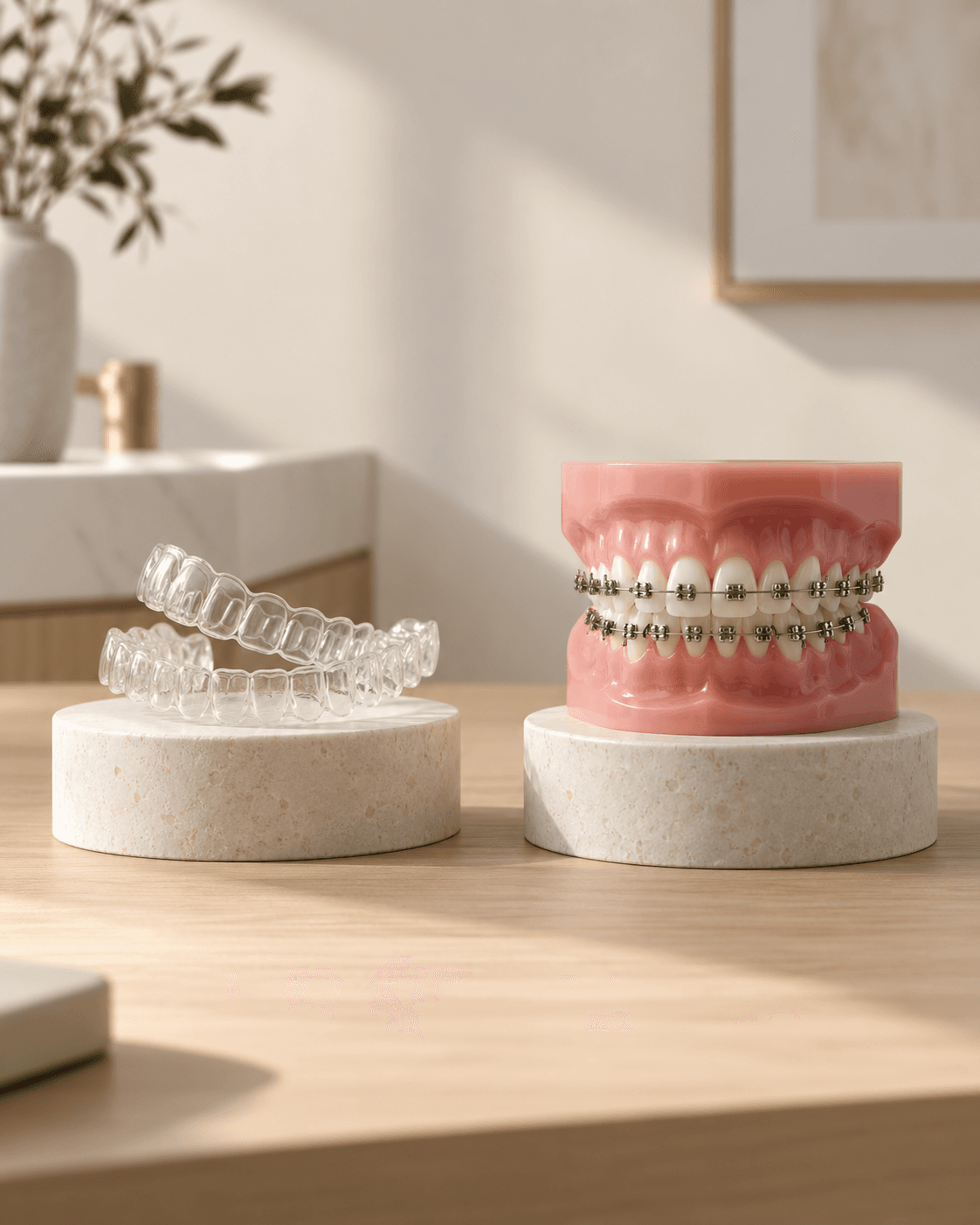
Aligners offer discretion and removability. Fixed braces offer control and versatility without relying on daily wear time. The best choice is the one capable of achieving the required movements while fitting the clinical situation and the patient's ability to follow instructions.

The consultation compares these options using practical criteria, rather than appearance alone.

Unsure which treatment is right for you?

That is precisely the purpose of the first consultation. We assess your situation before discussing reasonable options and their implications.

Request a consultation

Request an appointment

Request an appointment

Complete this form with your contact details and preferences. This request does not yet confirm an appointment: the Ortheon team will contact you to arrange a date and check the appropriate consultation type. Do not provide medical information, images, radiographs or other sensitive data through this form.

This request does not yet confirm an appointment: the Ortheon team will contact you to arrange a date.

Do not provide medical information, images, radiographs or other sensitive data through this form.

I prefer to be contacted by