
Frequently asked questions
Clear answers before your first visit.
These answers offer general guidance. They do not replace diagnosis for your situation.
Book an appointmentORTHEON
CLINIC
Treatment
Duration, comfort, and everyday life
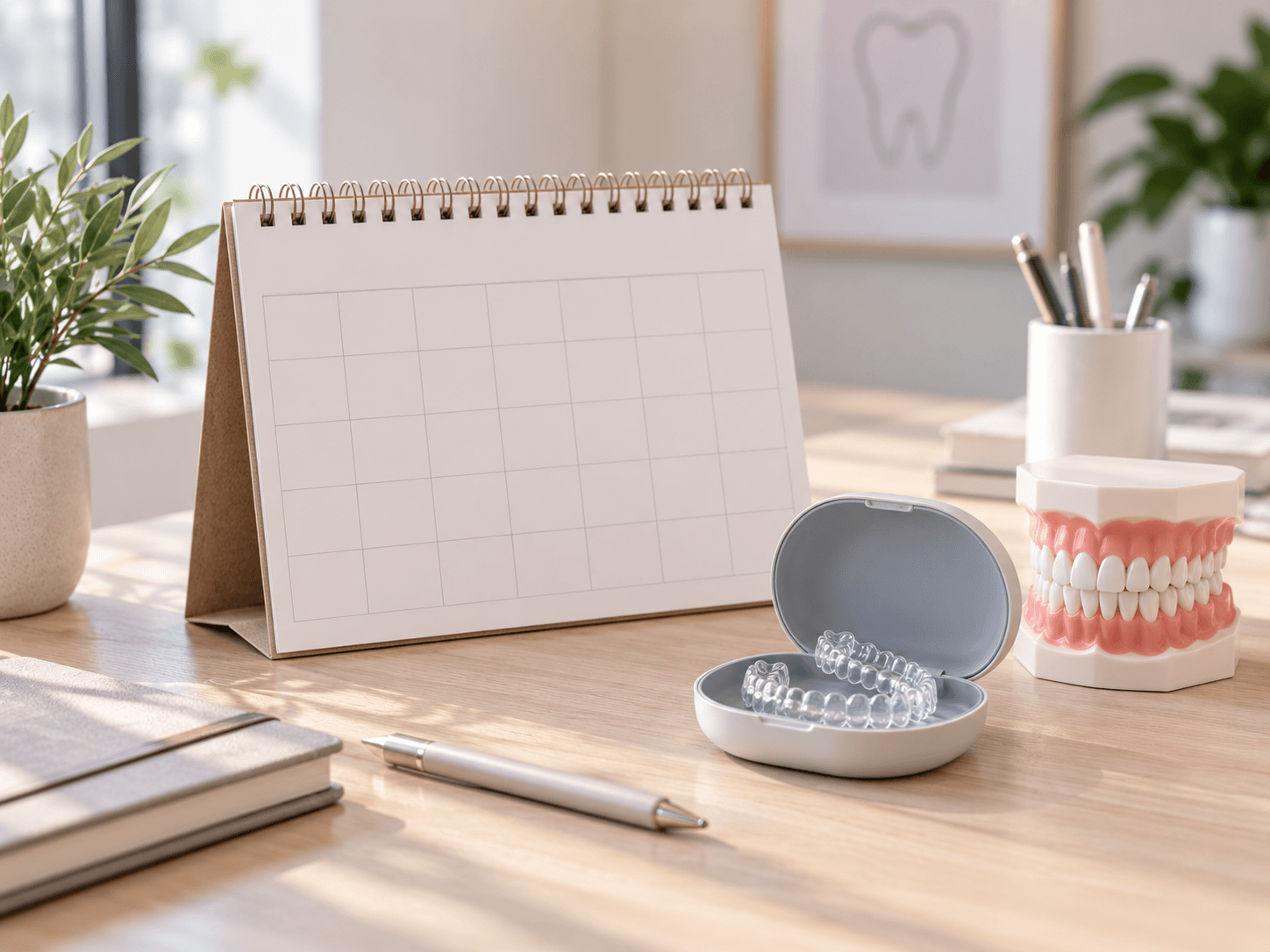
Duration depends on complexity, objectives, biological response, and cooperation. A personal estimate follows diagnosis.
Options
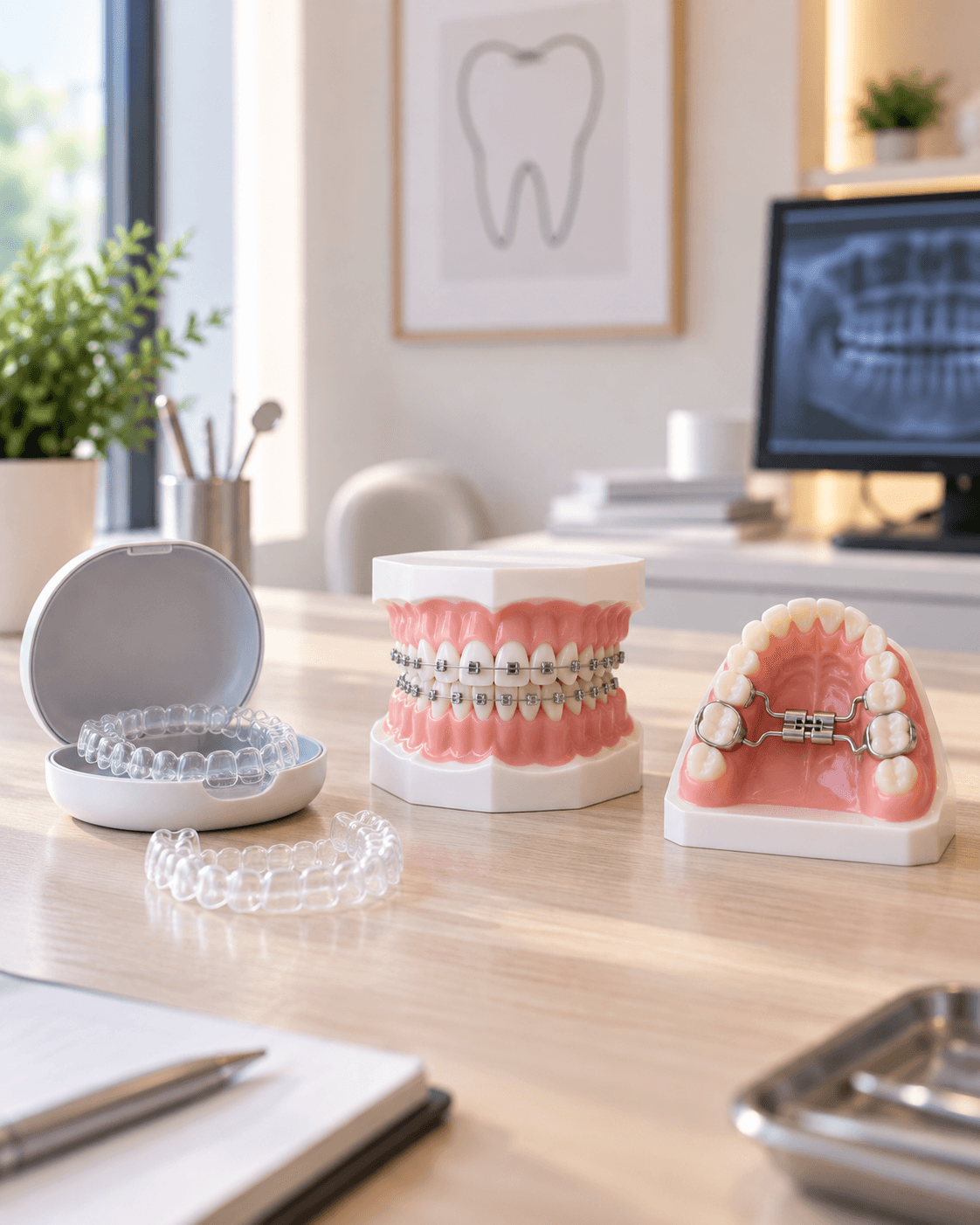
Aligners, fixed appliances, and early treatment
There is no universally best solution. Cristina compares what fits your situation and explains practical trade-offs.
Frequently asked questions
What patients ask most often.
General answers, to be refined around your diagnosis.
01At what age should someone see an orthodontist?+
A first check is generally recommended around age seven, or earlier if a concern is noticed. This does not mean treatment will start immediately: monitoring may be the right decision.
02How long does treatment take?+
It varies with diagnosis and objectives. An estimated timeline follows the necessary assessment.
03How often will appointments be needed?+
Frequency depends on the appliance, treatment stage, and clinical progress. Cristina provides a personalised schedule and adjusts it when needed.
04Will treatment hurt?+
Temporary tenderness can follow some changes or adjustments. Cristina explains comfort measures and when to call.
05Why does the orthodontist also assess the face, jaws, and bite?+
Because tooth alignment should remain coherent with facial balance, how the jaws meet, function, and the intended stability. Not every patient needs the same records; they are selected according to the clinical situation.
06How much does orthodontic treatment cost?+
The cost depends on the diagnosis, treatment duration, and appliance selected. Before treatment begins, a personalised quotation explains the fees, possible reimbursement, and any staged payment arrangements.
07Can I pay in instalments?+
The planned approach is an initial payment followed by monthly instalments. Final terms and amounts accompany the quotation.
08How do I activate an expansion appliance?+
Cristina demonstrates the technique and gives parents the activation schedule. Follow it exactly and contact the clinic if anything is unclear.
09Which foods should I avoid with braces or an expander?+
Avoid very hard or sticky foods that may damage the appliance. Cut firm foods into small pieces and follow the instructions provided when it is fitted.
10How do I keep the appliance clean?+
Careful brushing around attachments, wires, or the expander is essential. Cristina demonstrates the areas to clean and the accessories suited to your appliance.
11Can aligners affect speech?+
A slight change in speech can occur at first. It is usually temporary, although adaptation varies from person to person.
12How do we choose between aligners and fixed appliances?+
The choice depends on the movements required, your age, your preference for discretion, and your ability to follow the instructions. Cristina compares the suitable options after diagnosis.
13How long should aligners be worn each day?+
Daily wear time is prescribed in your treatment plan. Removing them too often can slow or compromise the planned movements.
14Will I need extractions or surgery?+
Not routinely. These options are discussed only when relevant, together with alternatives and limitations.
15Can orthodontics alone diagnose or treat sleep apnoea?+
No. Sleep apnoea requires medical assessment. Cristina can consider breathing and sleep within orthodontic diagnosis and, for selected patients, contribute to coordinated care with a custom oral appliance.
16How do I stop teeth moving back?+
Retention and its follow-up form part of treatment. The appliance and wear period depend on your situation; following those instructions reduces the risk of relapse.
The next step
Let’s start by understanding your situation.
A first consultation is time to take stock, answer your questions, and explain the options that may be relevant.